
As digital transformation accelerates, the way customers interact with businesses is evolving rapidly. While phone calls were once the primary communication channel, consumers today engage with brands through Facebook, Messenger, Zalo, TikTok, websites, email, and various OTT messaging applications. This shift is driving the adoption of Unified Omnichannel Contact Centers, enabling businesses to manage all customer interactions from a single platform.
According to DataReportal Digital 2026, Vietnam has approximately 85.6 million internet users, representing 84.2% of the population. Facebook can reach around 79 million users, TikTok has over 76 million adult users, and Zalo maintains more than 78 million monthly active users. These figures highlight a key reality: customers no longer rely on a single communication channel but move continuously across multiple touchpoints throughout their purchasing journey.
A customer may discover a brand through Facebook advertising, research products on TikTok, send inquiries via Zalo, and ultimately call the business before making a purchase decision. This fragmented journey creates a new challenge for businesses: delivering a seamless and consistent customer experience across all channels.
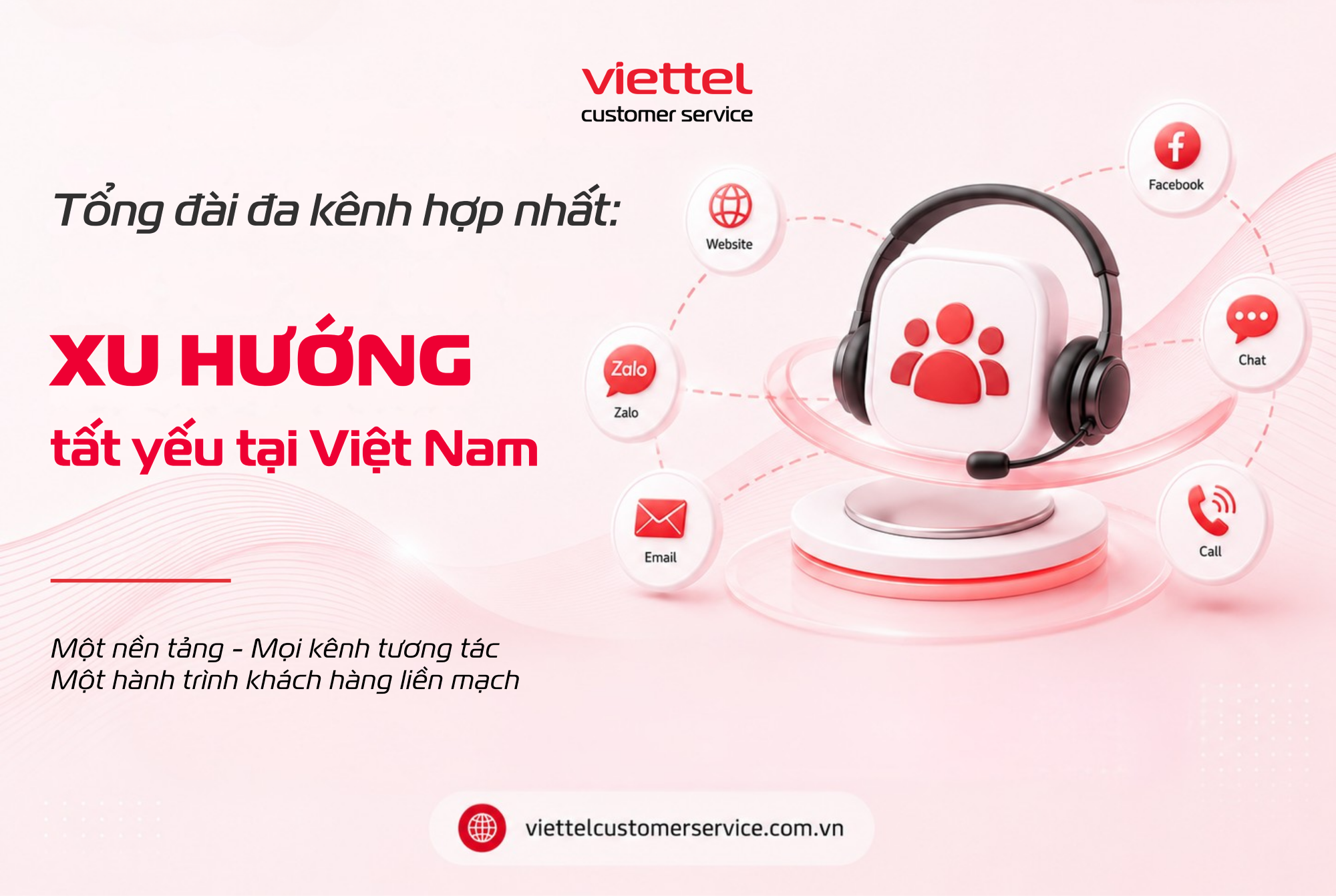
How Customer Journeys Are Changing
Today's customers no longer follow a linear buying process. They explore information, compare products, and communicate with businesses through multiple channels before making purchasing decisions.
Research shows that 83% of customers are more likely to continue buying from brands that provide a consistent experience across channels, while 91% prefer companies that can connect customer experiences across platforms rather than operating isolated communication channels.
Customers do not care whether they are contacting a business through Facebook, Zalo, or a hotline. They simply expect fast support and a seamless experience without repeating the same information multiple times.
Why Businesses Need an Omnichannel Contact Center
Many organizations still manage Facebook, Zalo, websites, and phone systems separately. As a result, customer data becomes fragmented, making it difficult to track interaction history and personalize customer experiences.
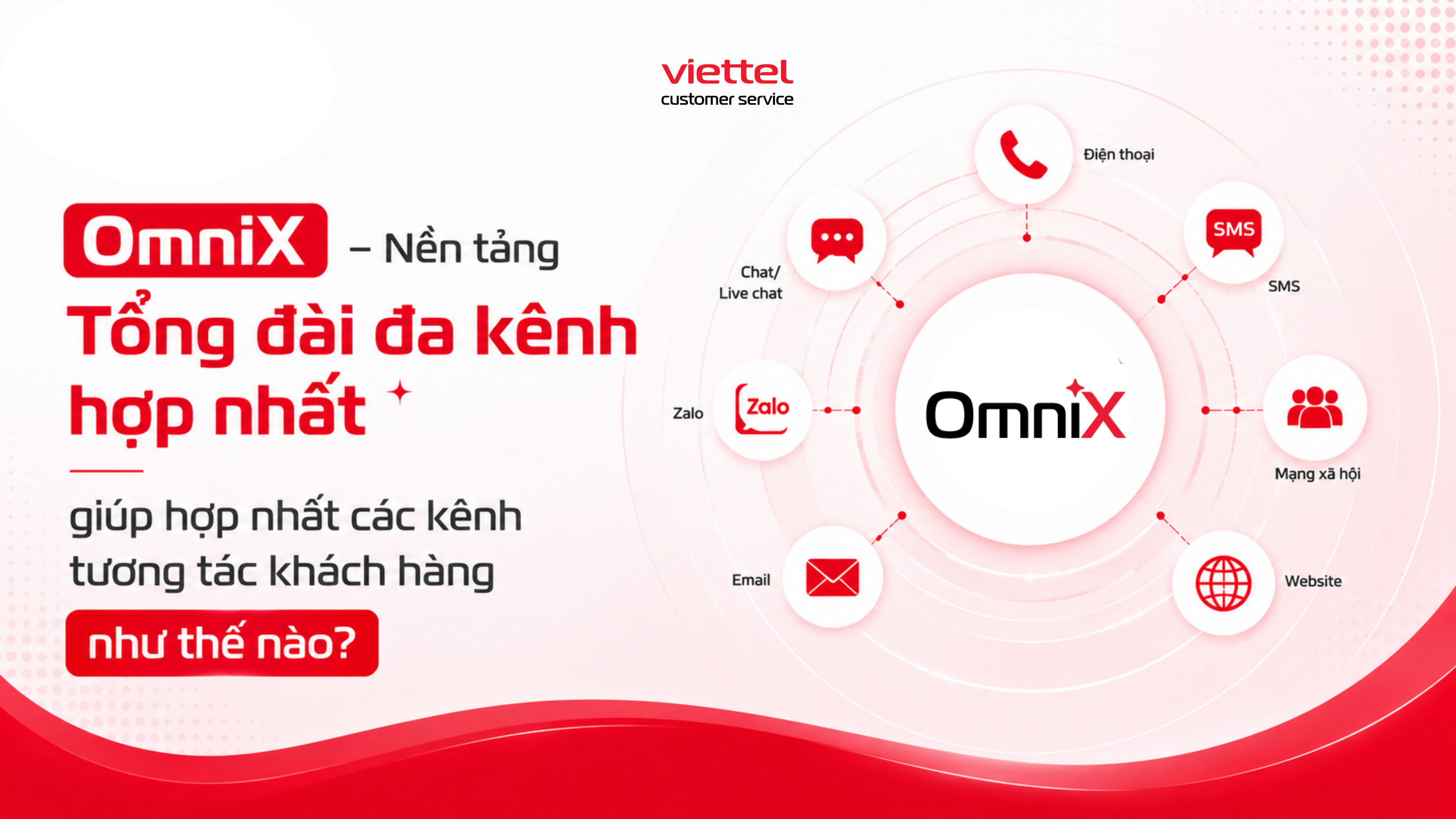
A Unified Omnichannel Contact Center addresses this challenge by consolidating interactions from voice calls, social media, OTT messaging apps, and websites into a single platform. This enables agents to access a complete customer history, improve service quality, and reduce resolution times.
Beyond enhancing customer experience, studies indicate that businesses implementing omnichannel strategies can increase agent productivity by approximately 23% while reducing customer service operational costs by nearly 18%.
AI Is Reshaping Customer Service
Alongside omnichannel adoption, artificial intelligence (AI) is becoming a major driver of customer service transformation. Technologies such as AI Chatbots and AI Callbots enable businesses to automatically handle, classify, and respond to thousands of customer inquiries simultaneously across multiple channels.
The combination of Omnichannel and AI allows organizations to provide 24/7 customer support, improve response times, and significantly reduce manual workloads for service teams.
OmniX – A Unified Omnichannel Communication Platform for Vietnamese Businesses
To support growing digital transformation demands, OmniX was developed to help businesses centralize customer communications on a single platform.
The solution integrates inbound and outbound voice systems with popular digital channels such as Facebook Messenger, Zalo OA, Viber, and website live chat. In addition, OmniX includes Ticket Management, AI Chatbot, and AI Callbot capabilities to automate workflows, enhance customer experiences, and improve operational efficiency.
Developed by Viettel Customer Service, OmniX empowers businesses to build seamless customer journeys, optimize resources, and meet the evolving demands of modern customer engagement.
The rapid growth of the internet, social media, and messaging platforms is making customer journeys increasingly fragmented. In this environment, a Unified Omnichannel Contact Center is no longer just a technology solution—it has become a strategic platform that helps businesses connect customer data, optimize operations, and deliver seamless customer experiences. For Vietnamese businesses, investing in an omnichannel contact center is becoming an essential step toward digital transformation, stronger customer relationships, and long-term competitive advantage.
Viettel Customer Service is a subsidiary of the Viettel Group, operating in the technology and customer service sector. The company provides a comprehensive ecosystem including services (Contact Center Outsourcing, BPO, Upsale, Customer Experience, Loyalty, Document Processing and Digitization, Warranty & Repair Services) and technology solutions (OmniX, CXBot, KnowX Hub, AI-DMS, vCOC, InsightCI, WorkforceX).
Contact Viettel Customer Service today for solutions tailored to your business!
Contact Information:
Hotline: 1800 9397 | Email: dvkh@viettel.com.vn
Website Viettel Customer Service | Facebook Viettel Customer Service | Zalo Viettel Customer Service
Address: 23rd floor, Vinacomin Building, 3rd Duong Dinh Nghe Street, Yen Hoa Ward, Hanoi.


![[VnEconomy] Unifying Customer Service Channels: A Strategic Step in the Age of AI](/cms/api/v1/public/files/view/omnix-bao-MjC3Jlm9.png)