
Mistakes Businesses Should Avoid When Choosing a Contact Center Solution
Today, a contact center is no longer simply a system for making and receiving calls. It has become an important part of customer service operations and customer experience management. However, choosing an unsuitable solution can result in higher operating costs, fragmented customer service channels, difficulties in maintaining service quality, and limited capabilities for adopting AI and automation. These are also among the common customer service operational challenges highlighted in OmniX materials.

1. Focusing Only on Upfront Costs
One common mistake is choosing a solution based solely on a low initial investment without considering the total cost throughout its lifecycle. With a Cloud-based model, businesses can deploy quickly, reduce upfront infrastructure investment, and pay based on the number of licenses used. In contrast, an On-Premise model often requires investment in systems, infrastructure, operational personnel, and ongoing maintenance in subsequent years.
Businesses should therefore evaluate long-term costs rather than simply comparing initial purchase prices.
2. Choosing a Contact Center Solution That Only Supports Voice Calls
Focusing solely on Voice may leave customer data fragmented across multiple channels. A modern contact center solution should support calls, messages, emails, chat, and other interaction channels within a single platform, enabling more consistent customer support, consultation, and performance management.
This is particularly important as customer journeys increasingly span multiple touchpoints.
3. Overlooking Integration with Existing Systems
A contact center should not operate as a standalone system. Businesses need to consider its ability to integrate with CRM, sales systems, order management platforms, and other business applications already in use.
Strong integration capabilities allow data to flow seamlessly across systems, reduce manual data entry, and enable process automation. Omni Flow, for example, can connect with third-party systems through APIs and Webhooks while supporting the activation of automated customer engagement workflows.
4. Failing to Consider Future Scalability
A solution that meets current requirements may not be sufficient as the number of users, call volumes, or interaction channels increases. With On-Premise systems, scaling may require additional infrastructure upgrades, while Cloud-based models typically provide greater flexibility for expansion and upgrades.
Businesses should therefore assess scalability from the outset, taking into account the number of users, interaction volumes, and potential requirements for additional business processes in the future.
5. Underestimating AI, Automation, and Analytics Capabilities
Without AI, Automation, and monitoring tools, businesses may remain heavily dependent on manual processes, making it difficult to optimize resources and evaluate the quality of customer interactions. A modern contact center platform should support automated customer engagement, AI Callbots and Chatbots, call analytics, performance reporting, and customer insight generation.
In particular, AI-powered call analytics can support interaction scoring, quality monitoring, and the detection of negative customer interactions, enabling businesses to identify issues and respond in a timely manner.
6. Failing to Thoroughly Assess the Provider’s Capabilities and Reliability
A contact center directly handles customer data and interactions, making data security, system stability, and long-term provider support critical considerations. For Cloud-based models, OmniX materials also emphasize the importance of selecting a reputable provider capable of meeting information security and data protection requirements.
OmniX – A Unified Omnichannel Contact Center Platform for Businesses
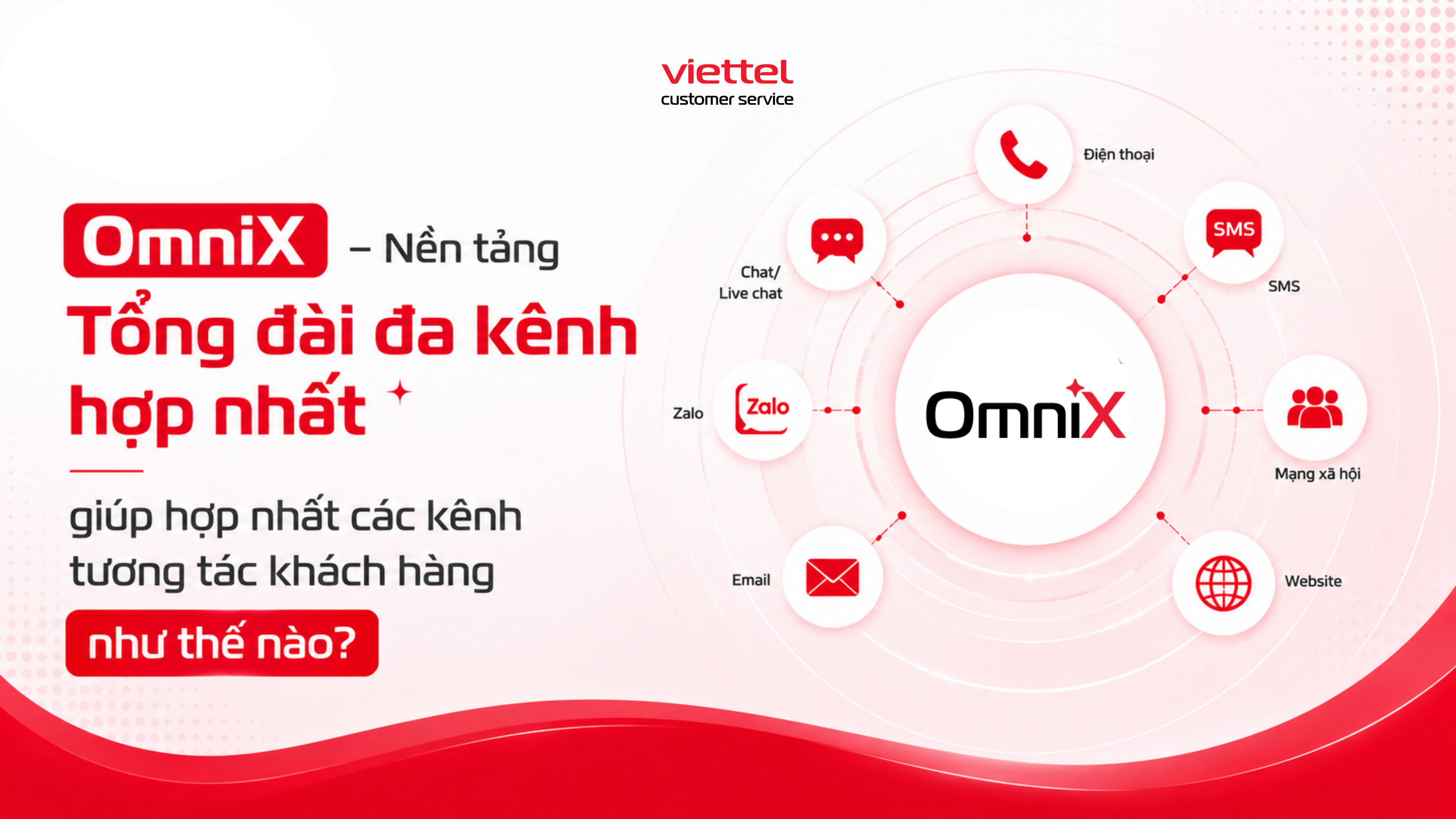
OmniX is a unified omnichannel communication management platform developed by Viettel Customer Service, designed to optimize operating costs, improve customer service efficiency, and strengthen business competitiveness. The platform supports inbound and outbound operations, multichannel interactions, Ticketing, Marketing Automation, Auto Call, and AI Callbot capabilities within a single system.
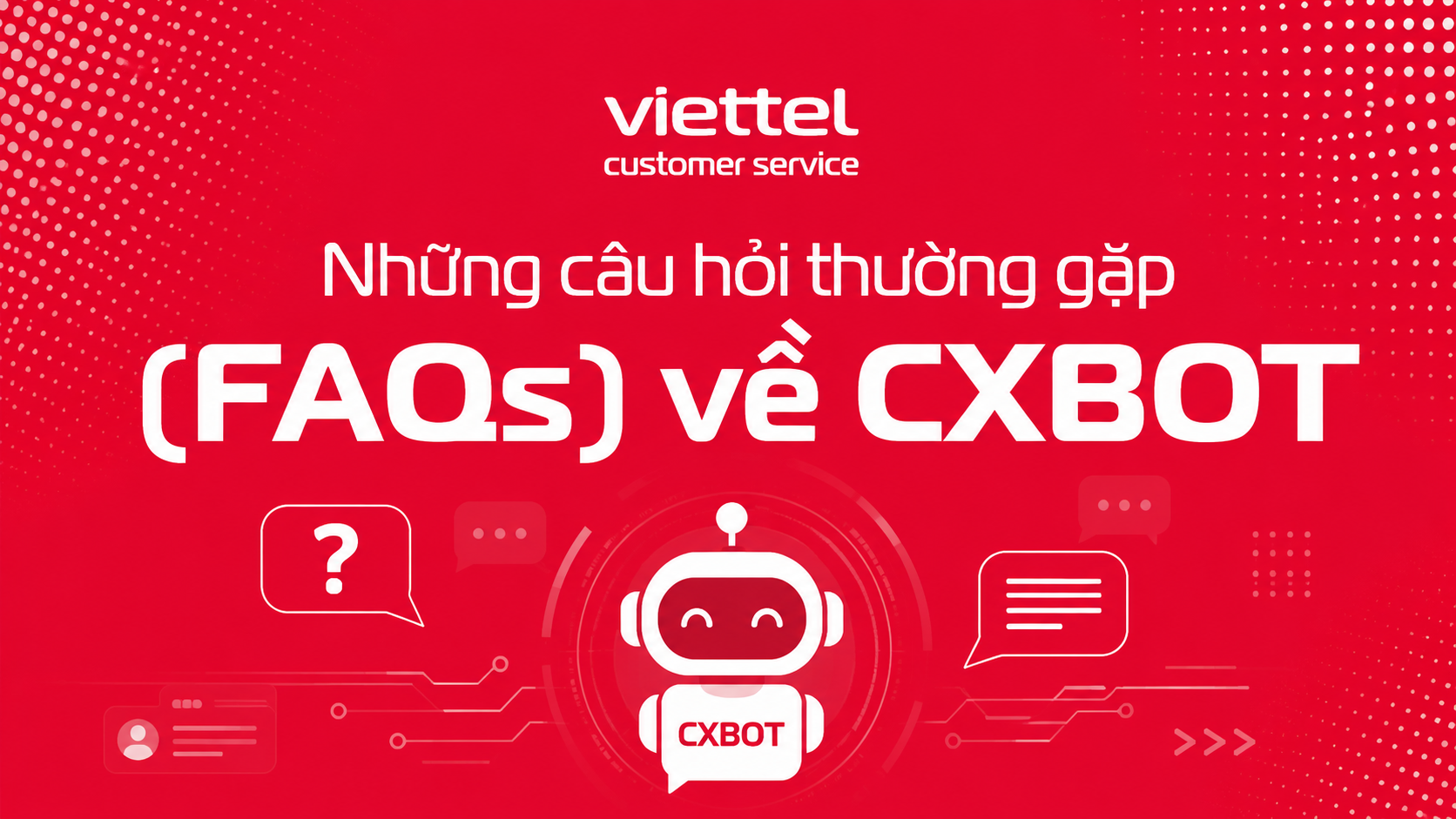
Beyond traditional Call Center operations, OmniX also integrates Omnichannel, Omni Flow, and CXBot, enabling businesses to unify customer touchpoints, automate customer service processes, and leverage AI for customer interaction and analytics. Through these capabilities, businesses can gradually build a customer service system that is flexible, integrated, and ready to scale as their needs evolve.
Viettel Customer Service is a subsidiary of the Viettel Group, operating in the technology and customer service sector. The company provides a comprehensive ecosystem including services (Contact Center Outsourcing, BPO, Upsale, Customer Experience, Loyalty, Document Processing and Digitization, Warranty & Repair Services) and technology solutions (OmniX, CXBot, KnowX Hub, AI-DMS, vCOC, InsightCI, WorkforceX).
Contact Viettel Customer Service today for solutions tailored to your business!
Contact Information:
Hotline: 1800 9397 / Email: dvkh@viettel.com.vn
Website Viettel Customer Service / Facebook Viettel Customer Service / Zalo Viettel Customer Service
Address: 23rd floor, Vinacomin Building, 3rd Duong Dinh Nghe Street, Yen Hoa Ward, Hanoi.








![[VnEconomy] Unifying Customer Service Channels: A Strategic Step in the Age of AI](/cms/api/v1/public/files/view/omnix-bao-MjC3Jlm9.png)


