
Over the past few years, AI Agents have emerged as one of the most discussed innovations in enterprise technology. From global technology leaders to local businesses, organizations are looking to AI Agents to transform operations by taking over tasks that previously required human employees.
However, AI Agents are not being adopted evenly across every business function. In practice, customer service has become the fastest area to embrace AI.
The reason is not simply that customer service is easier to automate. Rather, it is because customer service involves high volumes of repetitive interactions, standardized workflows, and continuous response requirements. These characteristics make it an ideal environment for AI to deliver immediate business value while helping organizations optimize resources without compromising service quality.
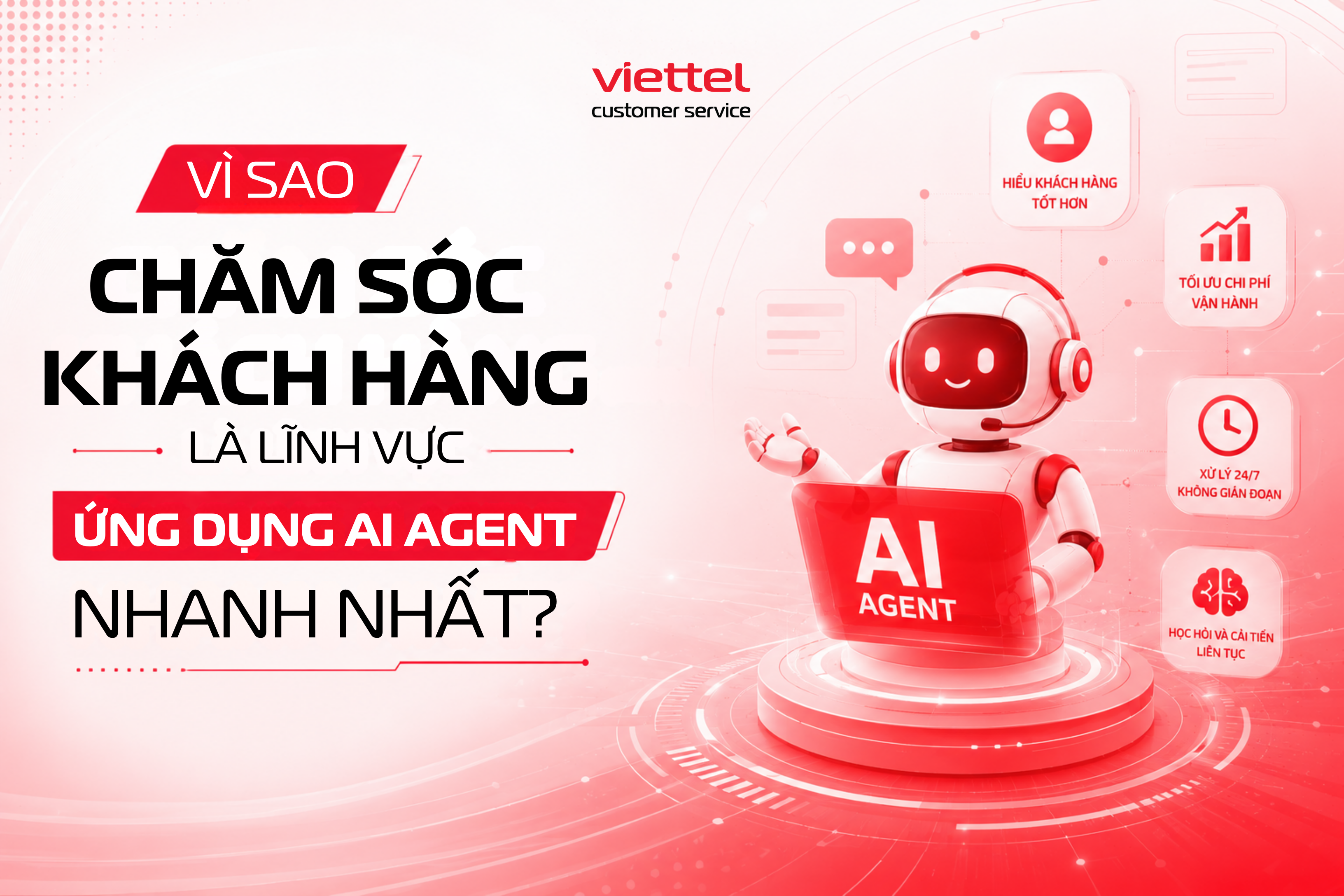
Customer Service Handles Massive Volumes of Interactions
In most organizations, customer service teams manage hundreds—or even thousands—of customer requests every day.
The majority of these interactions involve routine tasks such as answering product inquiries, confirming orders, sending appointment reminders, handling support requests, conducting customer satisfaction surveys, or guiding customers through standard procedures.
Although these activities are relatively straightforward, they consume a significant portion of agents' time. As customer demand grows, organizations often need to expand contact center teams or increase working hours to maintain service levels.
These repetitive tasks are precisely where AI can make the greatest impact. Instead of having customer service representatives repeat the same workflows throughout the day, businesses can delegate these activities to AI virtual assistants, allowing human agents to focus on complex cases, personalized consulting, and high-value customer interactions.
Customers Expect Immediate Responses
Today's customers expect near-instant responses, regardless of whether they contact a business through phone calls, websites, messaging apps, or social media.
Long waiting times significantly increase the likelihood of abandoned calls, canceled orders, or customers switching to competitors. This challenge becomes even greater during peak periods such as product launches, promotional campaigns, or seasonal shopping events.
AI can manage thousands of conversations simultaneously, operate 24/7, and maintain consistent service quality regardless of demand.
Rather than replacing customer service representatives, AI serves as the first point of contact—handling routine inquiries before seamlessly routing more complex requests to the appropriate teams.
Customer Service Generates the Most Valuable Business Data
Every phone call, chat session, email, and customer interaction creates valuable business data.
Analyzing this information enables organizations to understand the most common customer questions, identify recurring issues, recognize peak interaction periods, and discover operational bottlenecks that affect customer experience.
This data also enables AI to continuously improve.
When trained using enterprise-specific knowledge and interaction history, AI virtual assistants become increasingly accurate, adapting their responses to each business, industry, and customer segment.
For this reason, many organizations choose customer service as the first department to deploy AI before expanding into sales, HR, operations, and other business functions.
AI Does More Than Answer Customer Questions
When people think about AI in customer service, they often imagine chatbots responding to customer messages.
Today's AI, however, goes far beyond conversational support.
An AI virtual assistant can proactively call customers to confirm orders, send appointment reminders, conduct post-purchase surveys, answer inbound calls, collect customer information, transfer calls to the appropriate department, and even verify customer identity using voice biometrics.
As a result, AI is no longer limited to customer communication—it actively participates in executing customer service workflows.
This is one of the key reasons why AI Virtual Agents are becoming increasingly popular.
AI Virtual Agents: Bringing AI Agents into Enterprise Customer Service
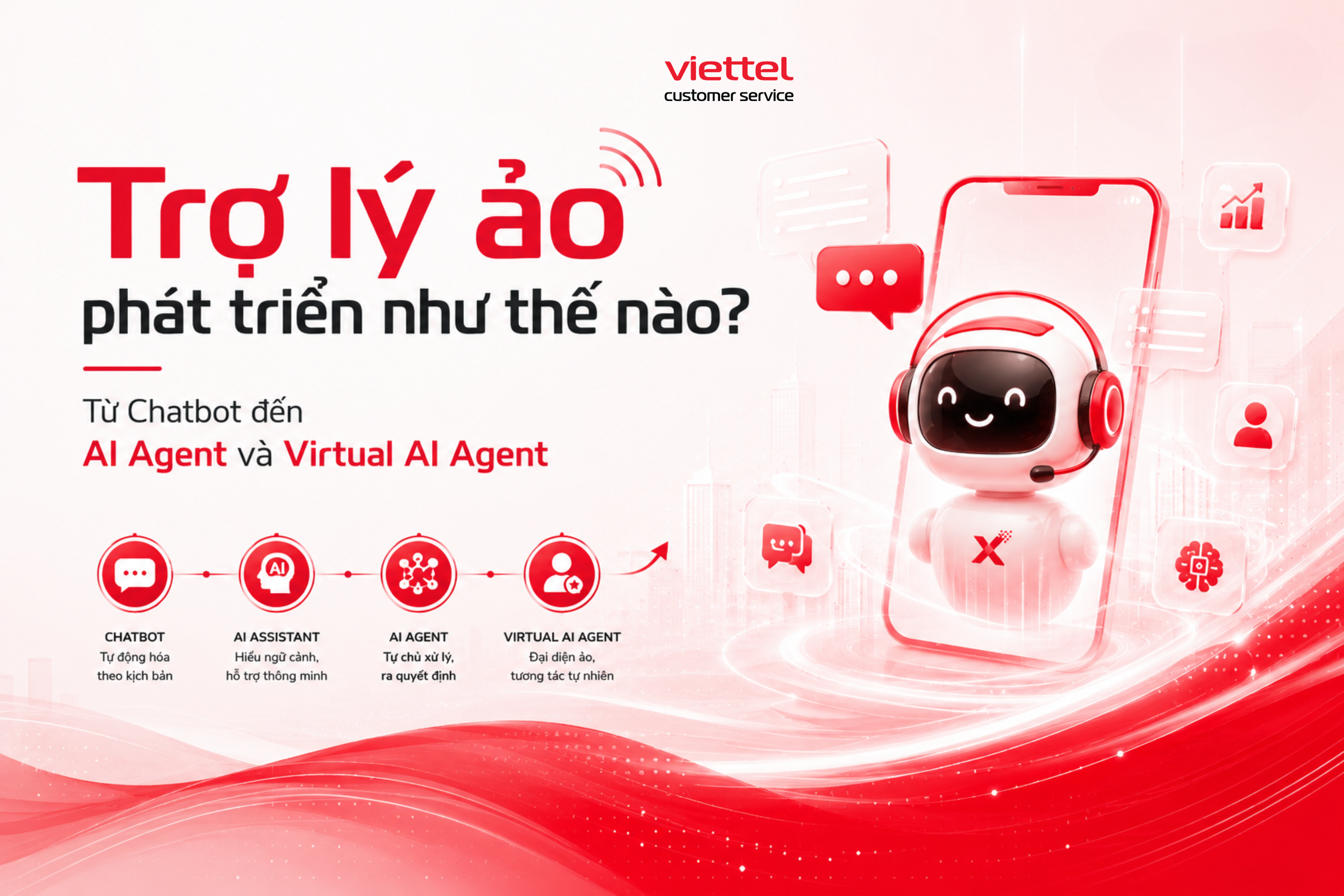
AI Agents represent the next evolution of artificial intelligence, enabling AI to proactively perform tasks instead of simply responding to requests.
For most organizations, however, the goal is not to build a universal AI capable of managing every business process. Instead, businesses seek practical AI solutions that deliver measurable operational value.
This is where AI Virtual Agents become especially relevant.
An AI Virtual Agent can be viewed as an enterprise AI assistant specifically designed to automate repetitive customer service processes. Rather than performing a single function, it combines multiple AI capabilities within one platform, supporting customer interactions across numerous touchpoints.
CXBot: An AI Virtual Agent for Customer Service Automation
As an AI Virtual Agent, CXBot is designed to help organizations automate customer service across multiple communication channels.
Unlike standalone chatbots or callbots, CXBot integrates multiple AI capabilities into a single platform, enabling businesses to automate customer service workflows from end to end.
On digital channels, its AI Chatbot answers frequently asked questions, provides product information, collects customer data, and handles service requests.
On voice channels, its AI Callbot proactively confirms orders, sends appointment reminders, delivers promotional notifications, conducts post-sales surveys, and answers inbound calls.
CXBot also includes Voice Verify for voice biometric authentication, AI Routing for intelligent call distribution, and real-time reporting tools that enable organizations to monitor call performance, response rates, and customer interaction data.
What differentiates CXBot is not its ability to replace customer service representatives, but its ability to work alongside them.
Routine, repetitive tasks are handled automatically by the AI Virtual Agent, while human agents focus on consulting, complaint resolution, and serving high-value customers.
This collaborative model reflects how many organizations are gradually building a digital workforce, where AI manages structured, repeatable processes while employees concentrate on work that requires expertise, flexibility, empathy, and relationship building.
As customer experience becomes a strategic priority, adopting AI in customer service is no longer a vision for the future—it is a business necessity today.
Starting with an AI Virtual Agent such as CXBot provides organizations with a practical path toward intelligent automation. By streamlining operations, improving service quality, and supporting long-term digital transformation, AI Virtual Agents are becoming one of the most valuable investments for modern customer service organizations.








-ve-omnix-Wuf9WzBd.png)


![[CafeF] The Transformation of Vietnam's Top Call Center](/cms/api/v1/public/files/view/thumbnail-cafef-kozoscl7.png)