Every operational KPI is met. Incidents are resolved within committed service levels. Every department follows the prescribed processes. Yet customers remain dissatisfied.
According to Nguyen Hoang Lan, Director of Customer Experience at Viettel Customer Service, the gap between "the company has completed its task" and "the customer has actually solved their problem" is becoming one of the biggest challenges in customer experience management in the AI era.
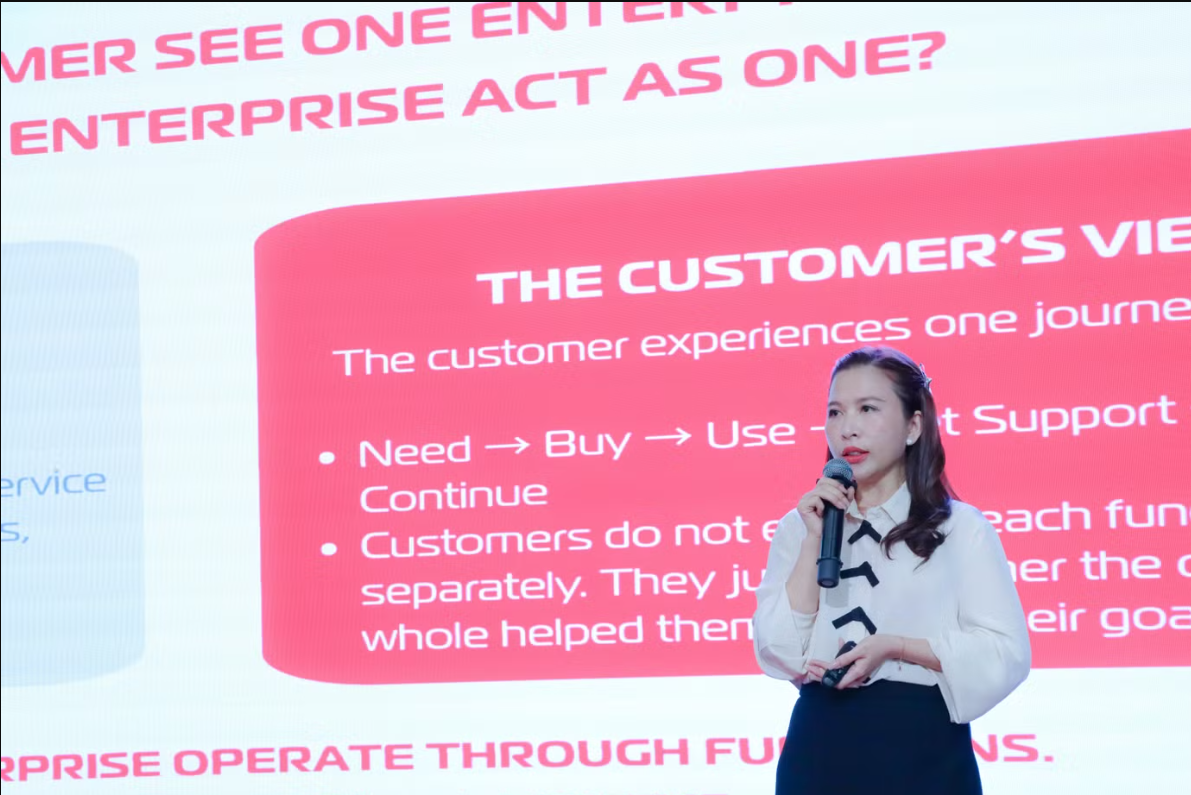
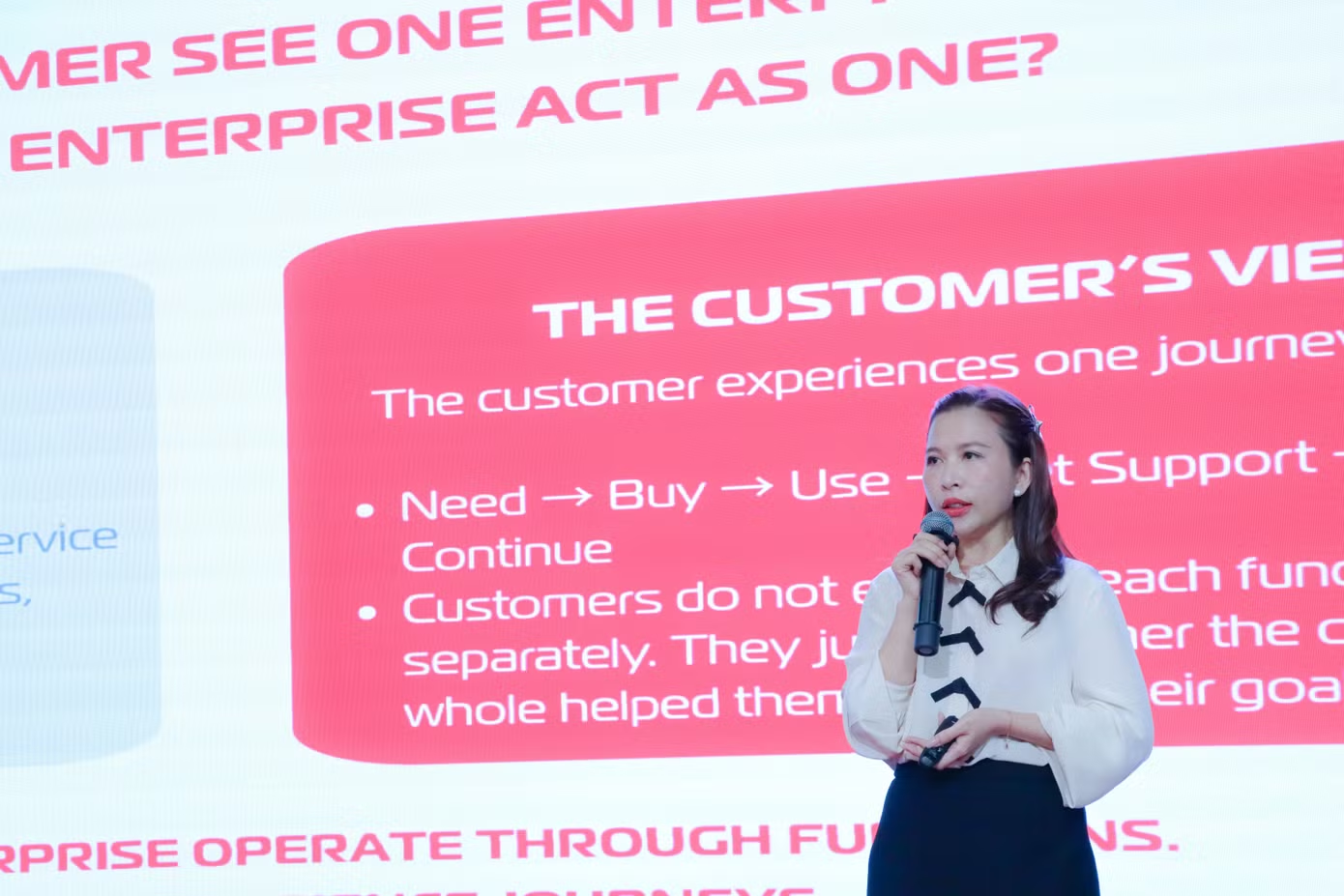
Her remarks were delivered at the "Building Trusted Digital Infrastructure for the AI Era" conference in Phnom Penh, Cambodia, attended by representatives from telecommunications, banking, and technology companies across the region.
The event took place as Cambodia accelerates its digital transformation and emerges as one of Southeast Asia's fastest-growing digital infrastructure markets. It is also a market where Viettel has operated for more than 20 years through its Metfone brand and is now serving as a launchpad for the international expansion strategies of several Viettel subsidiaries.
For Viettel Customer Service, the presentation marked another milestone in bringing its "Make in Vietnam" customer experience expertise to regional markets.
The "Green KPI" Paradox
According to Nguyen Hoang Lan, many organizations face a familiar paradox: operational dashboards are entirely green, service level agreements (SLAs) are fully met, yet customer satisfaction scores show little or no improvement.
The reason lies in the fact that businesses and customers often define "completion" differently.
"An issue may be marked as resolved by the technical team, but if the customer still cannot continue with their work, then from the customer's perspective, the problem has not been solved," she explained.
Organizations are typically structured by functions, with each department managing its own KPIs, workflows, and objectives. Customers, however, experience the business as one continuous journey.

They do not care which department owns their request. What matters is whether their problem has actually been resolved.
When customers are forced to call multiple times, repeat the same story to different departments, or track the progress of their own requests, businesses are effectively shifting the cost of internal coordination onto the customer.
"At that moment, the customer unintentionally becomes the bridge connecting what the organization itself has failed to connect," Lan noted.
She believes this is precisely when organizations need to rethink customer experience management—not by optimizing individual touchpoints or departments, but by managing the entire customer journey and aligning every activity toward the customer's ultimate outcome.
Competitive Advantage Doesn't Come from AI Alone
According to Lan, many businesses are investing heavily in Artificial Intelligence with the expectation that technology alone can solve customer experience challenges.
In reality, AI only delivers its full value when deployed within the right operating model.
This philosophy underpins ACT AS ONE, the customer experience management framework introduced by Viettel Customer Service during the conference.
Rather than managing customer requests separately across departments, ACT AS ONE aligns the entire organization around a single objective: helping customers achieve what they set out to accomplish.
Achieving this requires orchestration—the ability to connect data, processes, people, and technology so that every decision and action contributes to the same customer outcome.
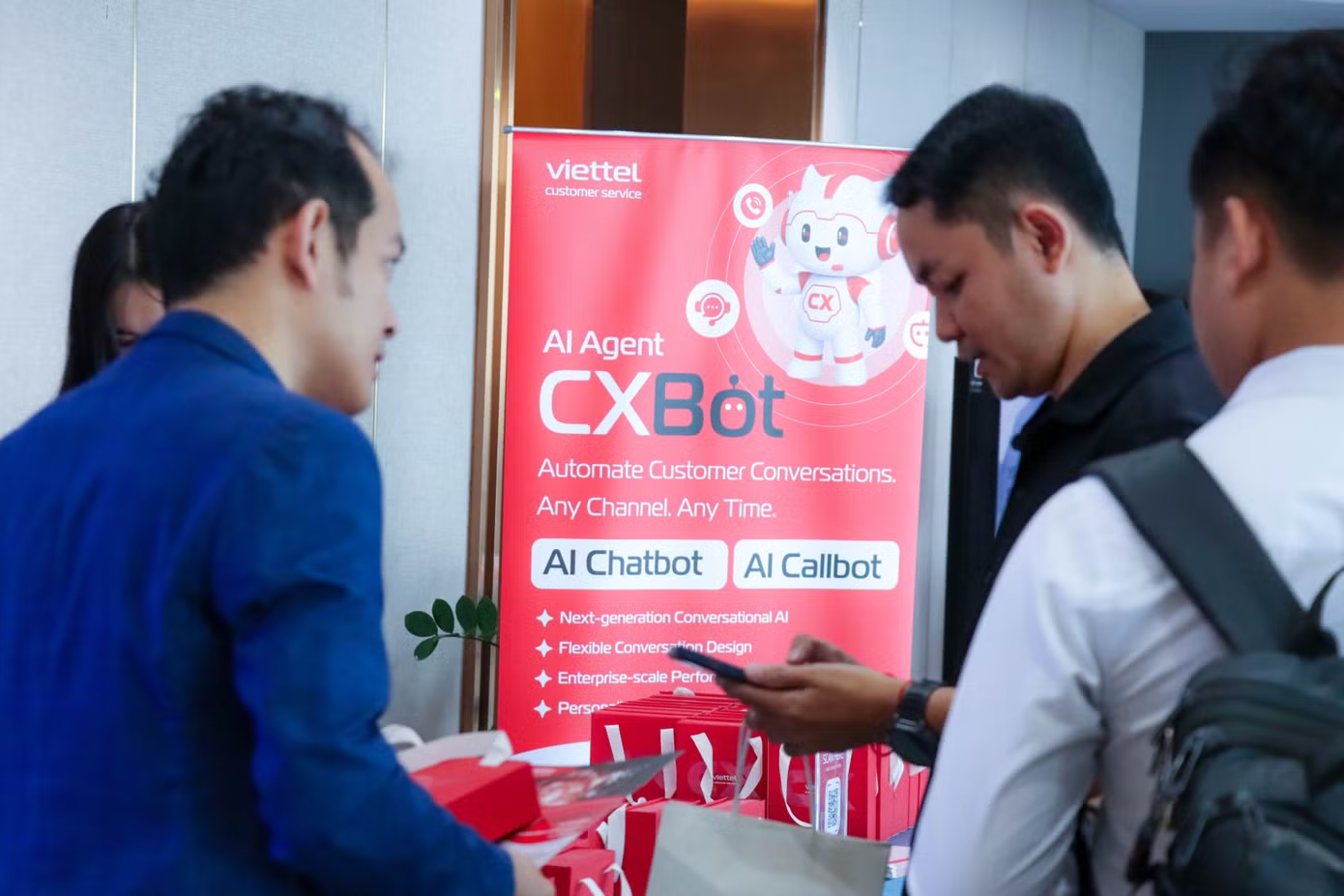
This is also the approach Viettel Customer Service applies in its customer experience transformation projects.
Beyond providing technology platforms, the company partners with organizations throughout the entire transformation journey—from strategic consulting and customer journey design to operating model development, implementation, and continuous optimization.
As a customer experience technology company, Viettel Customer Service has developed a comprehensive ecosystem covering the entire customer journey, including:
KnowX Hub, an enterprise knowledge management platform
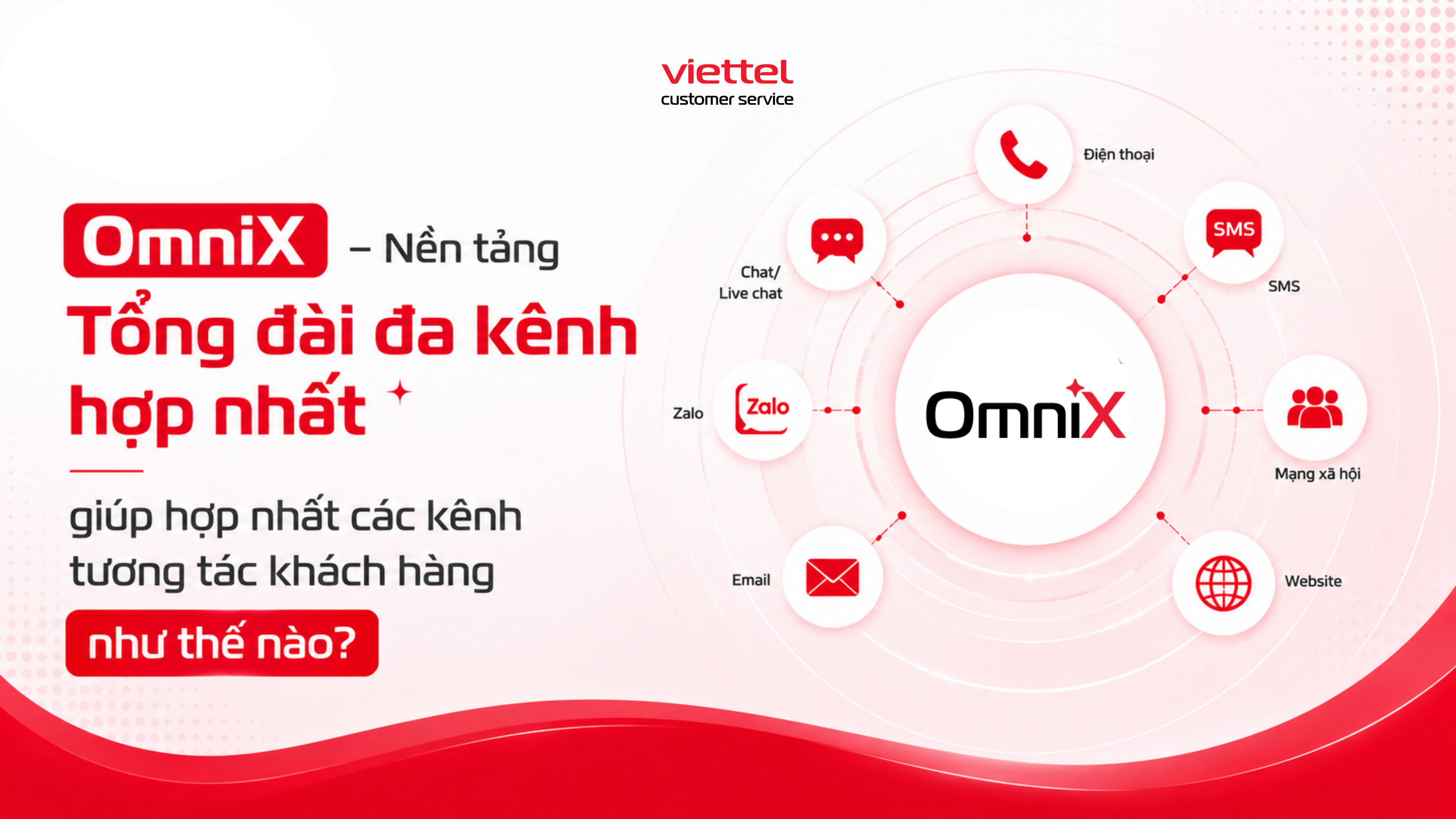
OmniX, an Omnichannel Contact Center Platform
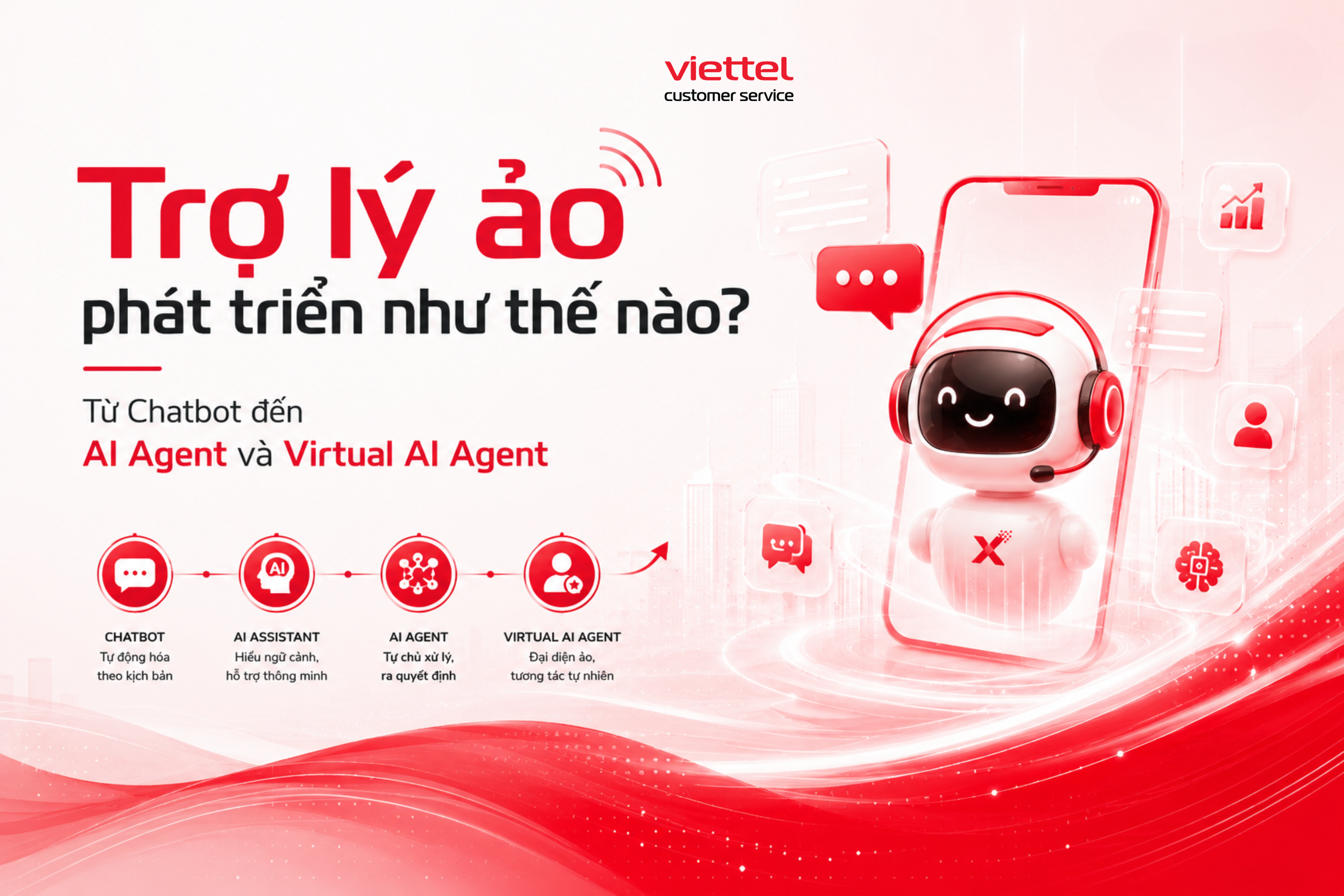
AI assistants that support customer service agents
Analytics and operational optimization solutions
These platforms are designed to function as one integrated ecosystem, enabling businesses to connect data, processes, and people instead of optimizing isolated systems.
"A company may possess many advanced technologies, but if its data remains fragmented, knowledge is not shared, and responsibilities are disconnected across departments, customers will still experience it as multiple different organizations," Lan said.
Customer-Centric Coordination Is the Future
With more than 20 years of experience in customer service, serving approximately 120 million customers across 10 markets and operating a workforce of nearly 4,000 omnichannel customer service professionals, Viettel Customer Service has developed large-scale capabilities in customer experience consulting, implementation, and operations.
Concluding her presentation, Nguyen Hoang Lan emphasized that the most significant transformation business leaders need to make is not investing in more AI, but changing the fundamental management question.
Instead of asking:
"Have all departments completed their tasks?"
Organizations should begin asking:
"Has the customer accomplished what they needed to do?"
She believes that as AI becomes increasingly accessible and technology turns into a market standard, competitive advantage will no longer come from possessing more technology than others. Instead, it will come from an organization's ability to orchestrate its people, processes, and technology around a single shared customer outcome.
The presentation in Cambodia also reflects Viettel Customer Service's broader international strategy—not only exporting technology platforms but also partnering with overseas organizations in customer experience consulting, implementation, and operations, an area expected to become one of Vietnam's highest value-added technology capabilities in the years ahead.
Viettel Customer Service is a subsidiary of the Viettel Group, operating in the technology and customer service sector. The company provides a comprehensive ecosystem including services (Contact Center Outsourcing, BPO, Upsale, Customer Experience, Loyalty, Document Processing and Digitization, Warranty & Repair Services) and technology solutions (OmniX, CXBot, KnowX Hub, AI-DMS, vCOC, InsightCI, WorkforceX).
Contact Viettel Customer Service today for solutions tailored to your business!
Contact Information:
Hotline: 1800 9397 / Email: dvkh@viettel.com.vn
Website Viettel Customer Service / Facebook Viettel Customer Service / Zalo Viettel Customer Service
Address: 23rd floor, Vinacomin Building, 3rd Duong Dinh Nghe Street, Yen Hoa Ward, Hanoi.